






Cotton and India: Why This Fabric Earns a Different Kind of Trust Here
There are fabrics that are popular in India, and there is cotton. The distinction matters. Polyester is popular. Chiffon is popular for certain occasions. Synthetic blends are popular in affordable fashion because they reduce costs. But cotton is not popular — it is trusted. The difference is that popularity is driven by marketing and trend; trust is built through daily experience repeated across seasons and years.
Indian women's daily relationship with cotton is shaped by the specific demands of Indian climate. Peak summer temperatures above 38°C create conditions where fabric choice is not a style preference but a thermal decision with practical consequences for how the day feels. Cotton's hollow fibre structure — individual fibres that contain air channels allowing heat and moisture to move through the fabric rather than being trapped against the skin — creates a wearing comfort in these conditions that no synthetic fabric in the same weight range can replicate. Cotton absorbs moisture into its fibres and releases it into the air; polyester absorbs moisture into fibres and holds it, creating the damp-fabric sensation that makes synthetic clothing uncomfortable in Indian summer.
India also grows approximately 25% of the global cotton supply. This is not incidental. Indian cotton has been woven, dyed, printed, embroidered, and fashioned for domestic use for longer than most of the world's fashion traditions have existed. When an Indian woman reaches for a cotton dress, she is drawing on a material relationship that is both personal and cultural — the fabric of home, of summer, of the daily Indian outdoor life that no other fabric handles as naturally.
The Nolabels cotton dresses collection is built on this foundation of genuine material trust — and then extends it through design. These are not plain cotton basics. They are cotton dresses with the design intelligence that transforms the trusted daily fabric into a specifically chosen outfit.
The Collection — By Design Direction
The Black Pleated Ribbon Dress — Constructed Elegance in Cotton
The Black Pleated Ribbon Dress is the most technically constructed piece in the cotton dress collection, and it demonstrates the central Nolabels argument about cotton dressing most completely. The dress features delicate pleats on the front panels, ribbon design accents, slightly gathered sleeves, and a front button-up construction — together creating a cotton dress that reads as specifically designed rather than simply comfortable.
Each design element does specific work: the pleats create dimensional texture on the fabric surface, adding visual interest that flat cotton cannot achieve; the ribbon detail creates a focal point that communicates considered construction; the gathered sleeves add femininity and movement; the button-up front adds structure and formality register.
In black — cotton's most graphic colourway — all of these elements achieve maximum visibility. This is a cotton dress that competes visually with significantly more expensive fabrics because the construction detail does the visual work that luxury fabric would otherwise do.
Best for: Daily wear where looking specifically dressed is the brief, office casual, city outings, any occasion where the outfit should communicate effort without formality Style tip: The Black Pleated Ribbon's front pleating creates a vertical visual line that elongates the body. Pair with flat sandals or pointed flats in black or nude — nothing should compete with the dress's construction detail. The pleating photographs with particular richness in directional natural light, where the pleat's physical dimension creates shadow and depth.
Sindhi Thread Work Cotton-Linen Dresses — Craft Heritage in Western Format
The Red Sindhi Thread Work Cotton Linen Dress and Blue Sindhi Thread Work Cotton Linen Dress represent the collection's most culturally significant direction — traditional Indian craft technique applied to a Western cotton-linen dress format.
As explained on the shirt dresses page, Sindhi thread work is a specific embroidery tradition from the Sindh region, using coloured thread to create geometric patterns and motifs on cotton or cotton-linen base fabric. On a dress format, this creates a garment that occupies the genuinely Indo-western space: Western silhouette (midi dress, shirt-dress construction), Indian textile craft vocabulary (Sindhi geometric embroidery), natural fabric (cotton-linen) appropriate for Indian climate, and proportions that bridge the modesty requirements of Indian cultural contexts with the Western dress aesthetic.
The red and blue colourways are both specifically chosen: red in a craft-heritage context reads as festive and celebratory, appropriate for cultural occasions and semi-formal events; blue in cotton-linen creates the most temperature-neutral, widely appropriate colourway for Indian daily and casual occasion wear.
Best for: Cultural occasions that bridge Western and Indian dress codes, casual social events, city wear, any occasion where the outfit should communicate an appreciation for Indian craft tradition in a contemporary format
Floral Cotton Dresses — Summer's Most Natural Direction
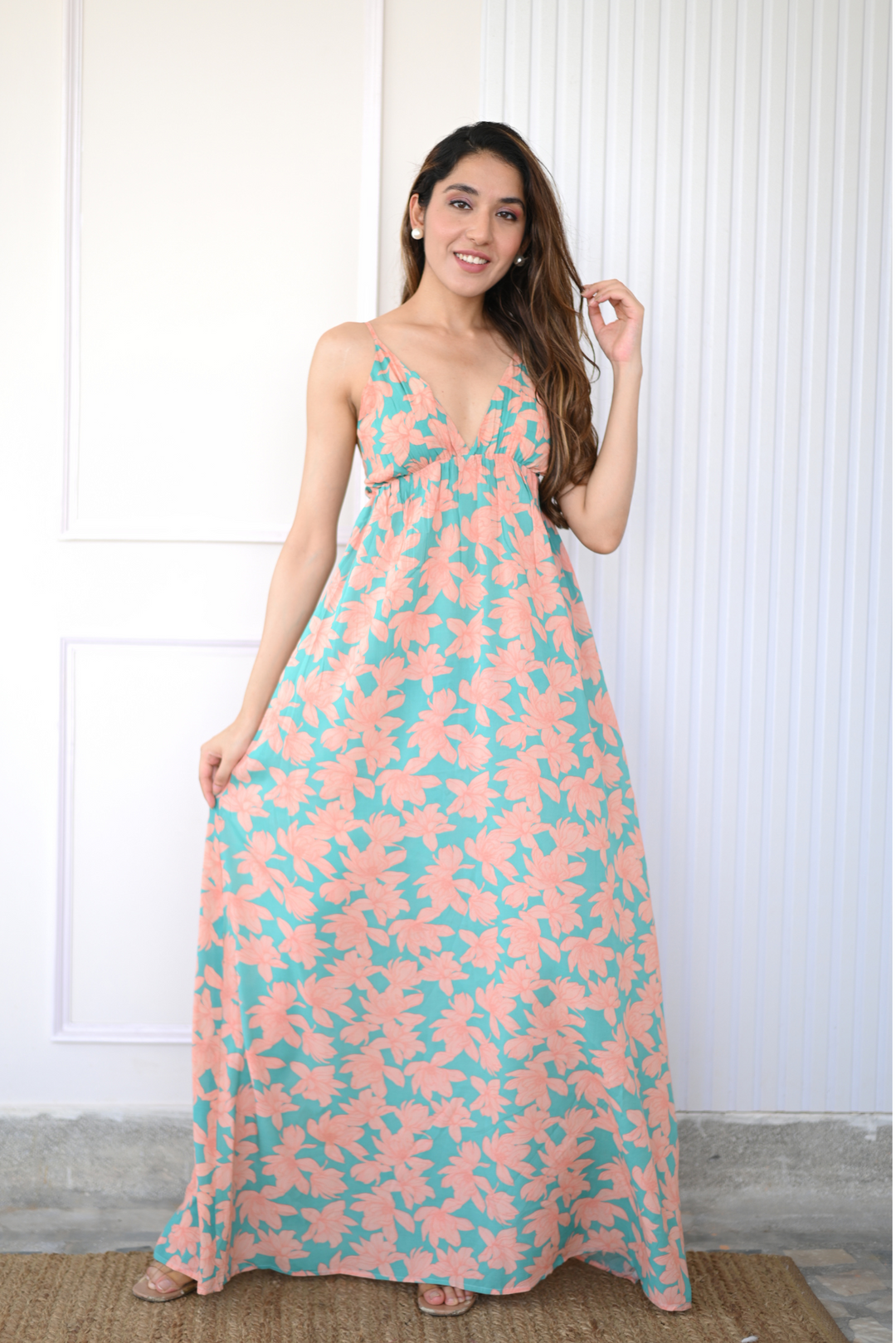
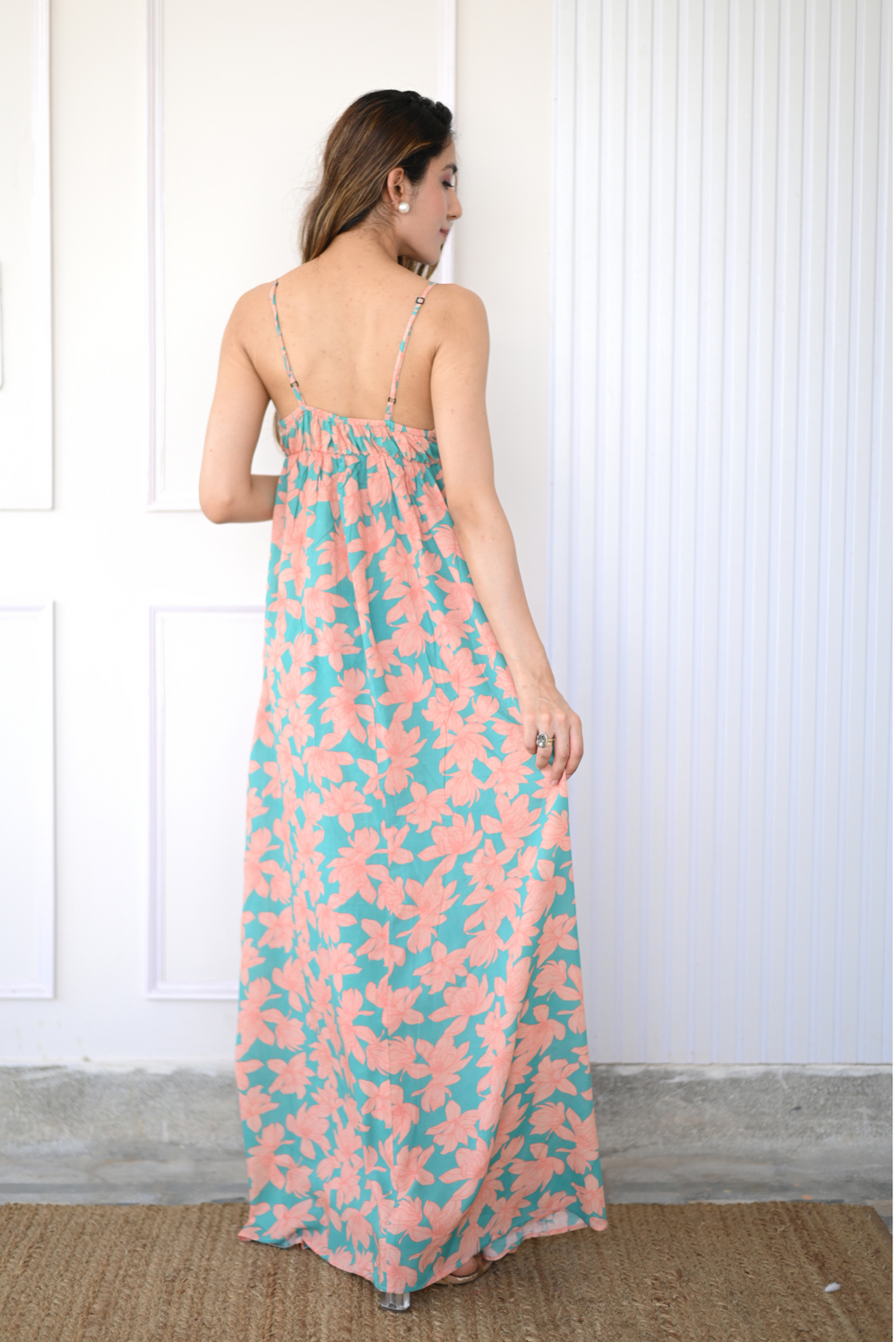
The White Floral Strappy Midi Dress, Blush Pink Floral Strappy Midi Dress, Yellow Floral Halter Neck Maxi Dress, Summer Rose Print Maxi Dress, and Butterfly Strappy Midi Dress form the collection's most season-forward direction — floral and botanical prints on cotton in strappy and halter constructions designed for Indian summer.
Floral prints on cotton is perhaps the most historically consistent combination in Indian dress — from the hand-block printed cotton dresses of Rajasthan's craft heritage to the contemporary machine-printed cotton midis of accessible Indian fashion. The combination works because the organic, asymmetric quality of floral pattern resonates naturally with the organic texture of cotton fabric in a way that synthetic fabrics cannot replicate.
The strappy constructions (thin shoulder straps, halter neck) provide the maximum upper-body ventilation appropriate for outdoor Indian summer occasions while the midi and maxi lengths maintain coverage appropriate for Indian cultural contexts. This combination — open shoulders, covered hem — is specifically calibrated for Indian summer modesty and thermal comfort simultaneously.
The White Floral and Blush Pink Floral Strappy Midis create two versions of the same design vocabulary: white for the most fresh and summery register, blush pink for a warmer, more feminine one. The Yellow Floral Halter Neck Maxi provides the most expansive summer statement — halter construction, maxi length, yellow-based floral print — appropriate for outdoor events, garden parties, and vacation dressing. The Summer Rose Print Maxi brings rose-specific botanical print to a maxi format — more romantically specific than a generic floral.
Best for: Garden parties, outdoor summer events, beach and vacation dressing, city casual in summer, weekend brunches, any occasion where looking fresh and specifically summer-dressed is the brief Style tip: Floral cotton dresses in natural outdoor light create the most visually rich result — the colours in Indian natural light are warmer and more saturated than in indoor lighting. For Indian outdoor occasion photography (garden parties, destination weddings, outdoor celebrations), a floral cotton midi or maxi creates photographs that photographs well across the full range of Indian natural light conditions. Accessories: minimal and warm-toned. Gold studs, flat tan sandals, simple gold bracelet.
Cargo and Utility Cotton Dresses — Functional Daily Wear
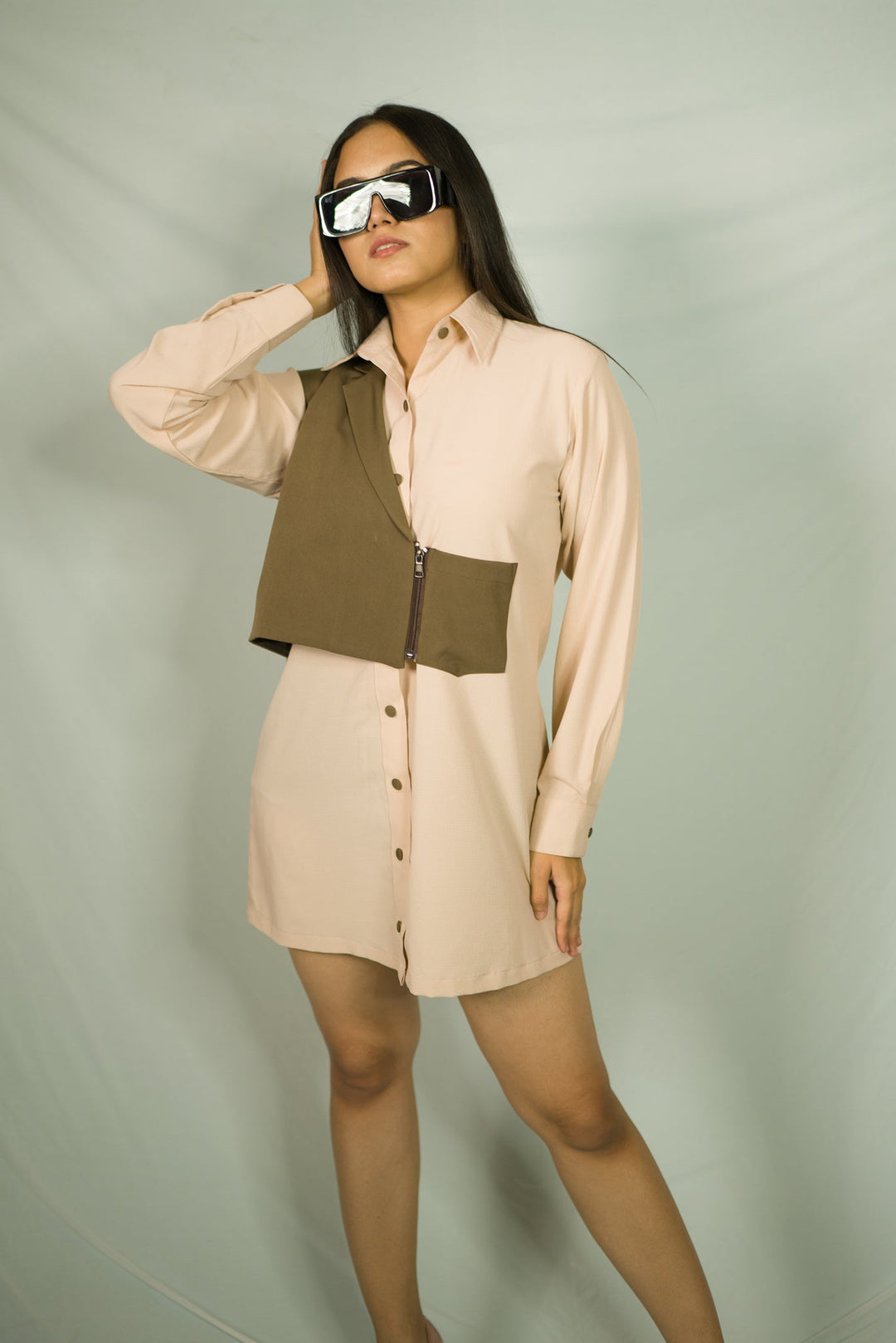
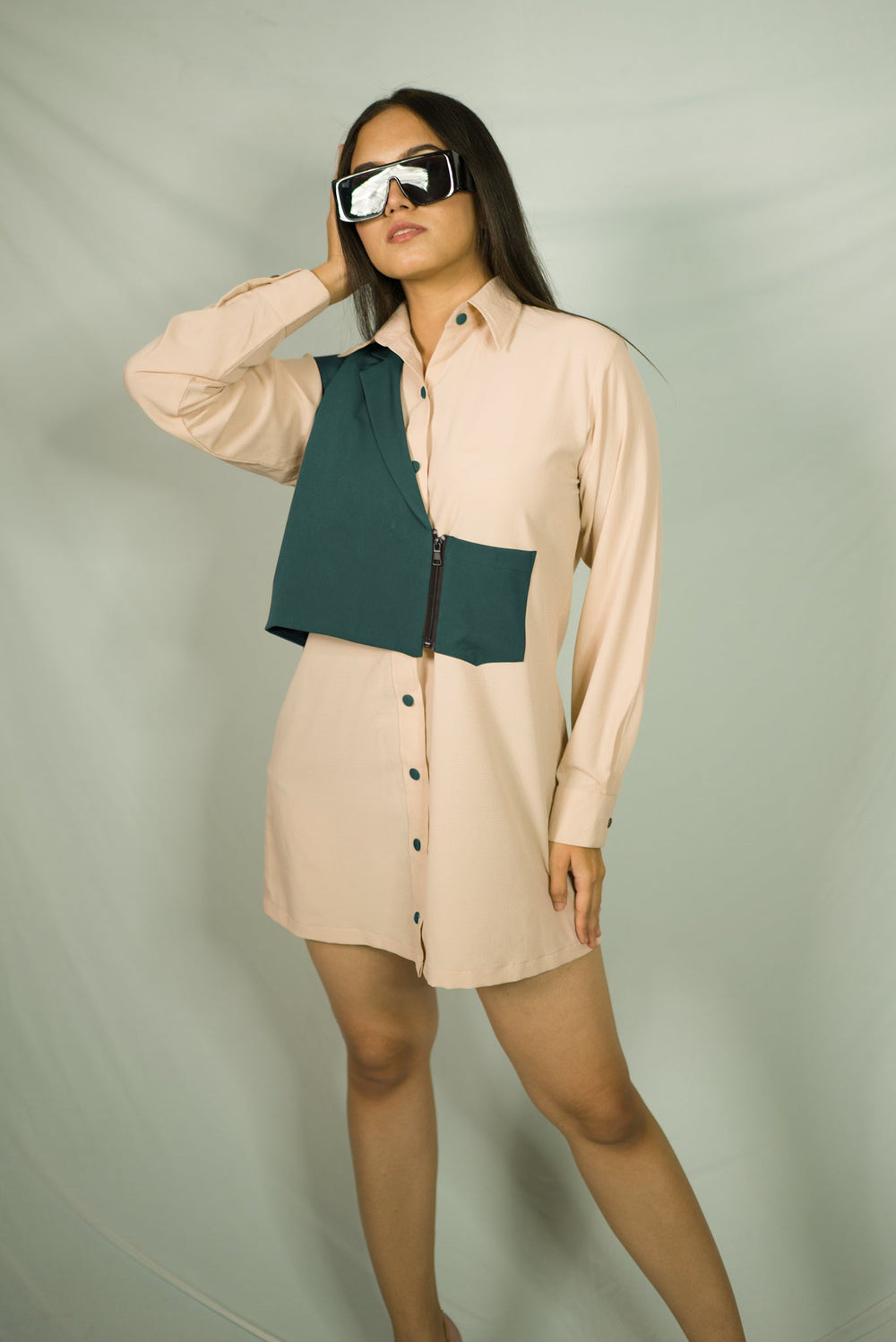
The Banana Cream Cargo Dress and Stone Grey Button-down Dress bring utility construction to the cotton dress format — cargo pockets for hands-free functionality, button-down front for adjustable ventilation and layering options. As confirmed on the shirt dresses page, these are cotton construction dresses designed for the active Indian daily life where a bag is cumbersome and pockets are practically valuable.
In banana cream and stone grey — both specifically warm neutrals that photograph cleanly against Indian daily settings — these dresses occupy the most practical register in the cotton dress collection. They are what the daily cotton dress is for: the errand, the city walk, the casual outing where looking specifically dressed is secondary to moving efficiently through the day.
Best for: Active city days, travel, college, casual errands, any occasion where a bag feels cumbersome and pockets solve a practical problem
The Muse Black Denim Dress — Street-Edge Cotton
The Muse Black Denim Dress brings cotton denim — a fabric with the natural fibre properties of cotton in a heavier, more structured construction — to the dress format. Sleeveless with raw edges, contrast thread detail, front pockets, loop belt, back zipper, and a back slit for movement: this is the cotton dress for the occasions where the daily casual register needs a specifically streetwear-adjacent visual vocabulary.
Cotton denim provides the same breathability and washability as lighter cotton fabrics at a heavier weight appropriate for North Indian cooler months and air-conditioned indoor environments. The raw edges and contrast thread create the specific visual language of contemporary streetwear in a cotton format.
Cotton-Linen Dresses — The Premium Natural Blend
The Tropical Blossom Linen Coord Set, Aquamarine Striped Linen Coord Set, and Checkered Linen Coord Set pieces that appear in both the cotton and linen dress categories represent the cotton-linen blend direction — a fabric that combines cotton's softness and familiar care properties with linen's superior breathability and natural texture.
Cotton-linen blend provides the best of both natural fabrics: cotton's soft hand-feel against the skin and ease of washing; linen's hollow-fibre structure and superior airflow. In Indian summer conditions, a cotton-linen blend dress breathes measurably better than pure cotton of the same weight — the linen component's longer, looser fibres allow more air circulation than cotton's tighter weave.
Cotton Across Indian Seasons — A Year-Round Wardrobe Choice
One of the specific advantages of cotton dresses for Indian women that generic cotton content never addresses is the year-round relevance of the fabric. Indian seasons create requirements that Western fashion writing — oriented toward temperate European and American climates — doesn't account for.
Indian summer (March–June): Cotton is the primary thermal solution. Lighter cotton constructions (voile, lawn, chambray) in cotton dresses provide maximum ventilation. The floral strappy midis and halter maxis are specifically appropriate for these months. Any cotton dress is appropriate; lighter weight cotton performs best.
Indian monsoon (July–September): Cotton remains appropriate but requires specific care — wet cotton dries slowly in humid conditions and can develop odour if not fully dried. Cotton dresses in monsoon India should be air-dried in ventilated spaces; avoid tumble drying which can cause shrinkage in humid-washed cotton.
North Indian cool months (October–February): Cotton dresses can be worn as base layers under cotton cardigans, denim jackets, or structured blazers. The Black Pleated Ribbon, cotton midi dresses, and printed cotton dresses work across these months as foundational pieces under outerwear. In South India, these months remain warm enough for cotton dress standalone wear year-round.
Festival and occasion season (October–January): The Sindhi Thread Work dresses, embroidered cotton pieces, and floral printed cottons are specifically appropriate for the festive season occasions — Diwali, weddings, New Year's celebrations — where cotton's comfort properties handle all-day event wearing while the craft embroidery or print provides the visual investment that occasion dressing requires.
Styling Cotton Dresses for Every Indian Context
For the daily commute and city life: Plain and printed cotton midis in dark or neutral colours. The cotton's crease-resistance (particularly in thicker cotton constructions) means the dress maintains its appearance through a full working day of sitting, walking, and commuting. A structured tote or satchel completes the city-ready look.
For the Indian office: Cotton midi dresses in solid colours or subtle prints with a tailored blazer. Cotton's professional associations (the fabric of formal Indian clothing through khadi and kurtas) means it reads as appropriately considered in Indian workplaces — less synthetic than polyester while more relaxed than silk. The Black Pleated Ribbon Dress with flat pointed shoes in a professional colour is the most office-appropriate cotton dress in the collection.
For summer outdoor occasions: Floral cotton midis and maxis with flat sandals, minimal gold jewellery, and sun protection. The cotton's natural SPF properties (cotton blocks a portion of UV radiation naturally, more than most synthetics) provide slight additional protection in Indian outdoor conditions.
For travel and vacation: The cargo cotton dresses for convenience; floral maxis for destination photography; cotton-linen blends for the most thermally comfortable travel option. Cotton's washability makes it the single most practical fabric for travel packing — wash in the hotel sink, hang to dry overnight, wear again the next day.
Caring for Cotton Dresses in Indian Conditions
Indian conditions create specific cotton care challenges: the summer combination of heat, perspiration, and frequent washing; the monsoon's high humidity that slows drying; the winter's potential for over-drying in heated spaces.
Washing: Machine wash cotton on a warm cycle (30-40°C) with a mild detergent. Avoid hot washing which causes shrinkage — particularly important for fitted cotton midi dresses where shrinkage changes the length and fit. For embroidered cotton (Sindhi Thread Work dresses): gentle machine cycle or hand wash; turn inside-out to protect embroidery.
Drying: Hang to dry in a ventilated space. Avoid direct summer sunlight which can fade vibrant cotton prints — particularly floral prints where colour saturation is the visual asset. White and light cotton: a brief direct-sun dry can brighten whites and light neutrals naturally.
Ironing: Cotton holds creases from washing but releases them easily with steam ironing. A slightly damp cotton dress irons most smoothly. For pleated cotton (Black Pleated Ribbon Dress): iron parallel to the pleats, not across them, to maintain the pleat's vertical definition.
Storage: Fold rather than hang for long-term storage — cotton stretches at the shoulders when hung for extended periods. For embroidered pieces: fold carefully to avoid pressure on embroidery; store in a breathable cotton bag rather than plastic to prevent moisture accumulation.
Frequently Asked Questions About Cotton Dresses for Women
Why is cotton the best fabric for dresses in India? Cotton's hollow-fibre structure allows air to circulate through the fabric, managing body temperature through ventilation in Indian heat. Unlike synthetic fabrics that trap moisture against the skin, cotton absorbs perspiration into its fibres and releases it into the air — keeping the wearer drier in Indian summer conditions above 35°C. Additionally: cotton is hypoallergenic and safe for sensitive skin; machine washable and durable for daily wear frequency; naturally soft and improving in softness with each wash; appropriate across all Indian seasons as a standalone fabric in summer and a layering base in cooler months. India's textile tradition has shaped cotton's cultivation, processing, and dressing for millennia — making it the fabric most naturally suited to Indian conditions and Indian sensibilities simultaneously.
What are the different types of cotton dresses available? The Nolabels cotton dress collection covers: casual summer dresses (floral strappy midis, halter neck maxis in prints and solids — the lightest, most summery direction); constructed daily dresses (pleated, ribbon-detail, button-up constructions like the Black Pleated Ribbon Dress — designed for daily wear with visual intelligence); shirt-format cotton dresses (cargo pocket dresses, button-down dresses — utility-forward for active days); craft-heritage dresses (Sindhi Thread Work cotton-linen — traditional embroidery on Western format); cotton denim dresses (heavier cotton construction for street-style and cooler months); and cotton-linen blend dresses (superior breathability in a natural-fabric mix).
What is the difference between a cotton dress and a cotton-linen dress? A pure cotton dress uses cotton fibre throughout — soft, familiar hand-feel, easy to wash, widely available. A cotton-linen dress blends cotton and linen fibres — typically 50-70% cotton, 30-50% linen. The linen component adds breathability (linen's longer, looser fibres allow more air circulation), natural texture (linen's characteristic slightly rough-yet-soft surface), and improved drape. The trade-off: cotton-linen creases more easily than pure cotton and may require more ironing. For Indian summer conditions, cotton-linen provides superior thermal comfort at the cost of slightly higher maintenance. The Red and Blue Sindhi Thread Work Cotton Linen Dresses and the linen coord set dresses represent this direction in the collection.
What is Sindhi thread work on a cotton dress? Sindhi thread work is a specific embroidery tradition from the Sindh region, using coloured thread to create geometric patterns and motifs on cotton or cotton-linen base fabric. Unlike embroidery that uses the base fabric as the canvas for figurative designs, Sindhi thread work typically uses geometric forms — grids, diamonds, chevrons — executed in coloured thread across the fabric surface. The result on a cotton dress is a garment that combines Indian craft heritage with a Western dress silhouette — specifically appropriate for occasions that bridge cultural registers. The Red Sindhi Thread Work and Blue Sindhi Thread Work Cotton Linen Dresses carry this tradition.
Can cotton dresses be worn to Indian offices? Yes — cotton dresses are among the most appropriate casual-professional dress fabrics for Indian offices. The fabric's association with Indian formal tradition (khadi, the fabric of the Indian independence movement, is hand-spun cotton) means it reads as considered and professional in Indian contexts even in its most casual constructions. For conservative corporate environments: cotton midi dresses in solid dark colours (black, navy, deep green) with a tailored blazer are appropriate for most Indian workplaces. For modern creative offices: printed and floral cotton midis are appropriate without the blazer. For the most formal corporate settings: cotton-linen blend dresses in muted tones read as the most professionally considered cotton option.
How should I care for a floral-printed cotton dress in India? For vibrant floral-printed cotton dresses: hand wash or gentle machine cycle in cool water; turn inside-out before washing to protect the print from friction; avoid hot water which can cause print fading; dry in shade away from direct sunlight (which fades floral print colours most rapidly — particularly reds, yellows, and pinks which are most UV-sensitive). Do not tumble dry on high heat. Iron on the reverse side only when the dress is slightly damp; the steam from ironing directly on the print side can cause colour bleeding in some dyes. With proper care, a well-made floral printed cotton dress maintains its colour vibrancy through 50+ washes.
What cotton dress length is best for Indian occasions? Midi-length cotton dresses (calf to mid-calf) are the most universally appropriate for Indian occasions — providing the coverage appropriate for Indian cultural contexts (offices, temples, conservative family occasions) while maintaining the modern, fashion-forward register of Western dressing. Maxi-length cotton dresses are appropriate for the most formal or traditional Indian occasions and for outdoor events where maximum coverage and dramatic visual impact are both desired. Mini-length cotton dresses work for casual city, college, and summer occasions. For the widest Indian occasion applicability, a cotton midi in a versatile print (floral, solid black or navy) covers the most ground.
What is the most affordable cotton dress in this collection? The collection spans from the most accessible sale pieces (currently, one cotton dress is available at an exceptional 70% reduction from its original price — check the product grid for current pricing) through the mid-range printed and floral midi/maxi tier to the premium craft-heritage Sindhi Thread Work dresses. The current sale structure includes multiple pieces at 30–40% off standard pricing. For the best value on design-invested cotton dresses, the sale tier offers the most significant price-to-design ratio in the collection.
The Nolabels Cotton Dress Philosophy
Cotton dresses in India are not a fashion category. They are the wardrobe category that Indian women come back to — the daily default, the summer solution, the fabric that handles the complete range of occasions that a day in India creates without requiring thought or planning.
What makes the Nolabels cotton dress collection different from commodity cotton dresses is not the fabric. The fabric is cotton — the same cotton that is the most widely grown, most widely worn, most familiar material in India. What makes it different is what has been done with the fabric: pleated panels with ribbon detail on a daily black dress. Sindhi geometric thread work on a cotton-linen midi. Floral botanical prints on strappy summer midis calibrated for Indian outdoor photography. Cargo pockets on a cotton button-down dress for the day when a bag is one thing too many to carry.
Same fabric. Different outcome. The cotton dress that earns its place in the wardrobe not just for the material it's made from but for the design decision that makes it specifically worth reaching for.
India's fabric. Designed for India's daily life.
Shop online at nolabels.in with pan-India and international delivery, or visit our stores in Chandigarh, Mohali, and Amritsar.
India's fabric. Designed. No label required.
Popular Searches
Cargo Pants | Crop Tops | Gowns For Women | Bodycon Dresses | Coord Sets | Hoodies | Denim Jacket | Formal Dresses | Corset Tops | Full Sleeves Shirts | Honeymoon Dresses | Birthday Dresses | Black Dresses | Cargo Jeans | Floral Dresses | Boyfriend Jeans | Cocktail Dresses | Corset Dresses | Casual Dresses | A-Line Dresses | Denim Shirts For Women | Backless Dresses | Corduroy Pants | Bestseller | Cotton Dresses | Full Sleeves Tops | Halter Neck Dresses | Bodysuits | Cotton Tops | Denim | Dresses for women | Denim Shorts | Ethnic Co-ord Sets | Half Jackets | Blazer Dresses | Blazers | Flared Pants | Floral Shirts | Fur Jackets | Goa Dresses | Cargo Shorts | Casual Wear | Color Pop | Crochet Dresses | Floral Tops | Formal Wear | Full Sleeve Dresses | Crop Jacket | Cropped Sweaters | Flared Dresses | Formal Trousers | Capes for Women | Collar Tops | BeachWear | Cargo Skirts | Cropped Blazers | Airport Outfits | Christmas Outfits | Evening Dresses | Flowy Dresses | Formal Skirts | High Waisted Trousers | Bottomwear | Cowl Dresses | Ethnic Jackets | Fur Sweaters | Festive Wear | Bali Dresses | Backless Jumpsuits | Women's Outerwear | Gilets for Women | One Piece Dresses | Jeans for Women | Korean Pants | Tank Tops | Formal Shirts | Korean outfits

